
Decode your next steps for AI
Take 3 minutes to assess where your business should focus for success with AI.
Value from AI requires more than technology. You need clarity of strategy, ready data, balanced governance, and an organisational design, operating model and leadership capabilities that are fit for purpose.
Take our diagnostic to define what step to take next.
Rate the 19 statements on how true each one is today.
Your details
Add your first name to get started.
Leave your work email if you would like your results sent to you.
We have an enterprise strategy, and we know how AI and our people will contribute to it.
We choose AI projects based on the value they create for the business, customers and workforce.
We prioritise and fund the technology side and the people side of AI together.
Our people have access to approved AI tools they can use safely in their everyday work.
Everyday AI means general assistants approved for company use, such as Microsoft Copilot, ChatGPT or Gemini.
Our technology and data platforms have the integrations in place to connect AI to our systems.
For example the APIs, connectors and permissions that let AI work inside the systems people already use.
Our data is accessible and usable, and people trust it.
We have clear rules for approving, securing and monitoring AI tools, including vendor tools.
We understand the implications of AI on our workforce.
We know how to change roles and responsibilities as AI changes.
It is clear who is accountable for AI outcomes and when human oversight is needed.
We have the technical skills and tools, in-house or through partners, to build, integrate and run AI.
We are building and hiring the capabilities our people need to work with AI.
We have changed the way we work with AI, deciding what AI does, what people do and where expertise sits.
As AI improves, we change how people and technology work.
Our leaders can guide their teams through the changes AI brings.
Our leaders use AI openly, responsibly and with clear expectations.
People feel safe to experiment, question AI outputs, raise concerns and share what they learn.
People believe AI will make this a better place to work.
We know whether our AI spend is providing returns.
About us
Who's behind this diagnostic
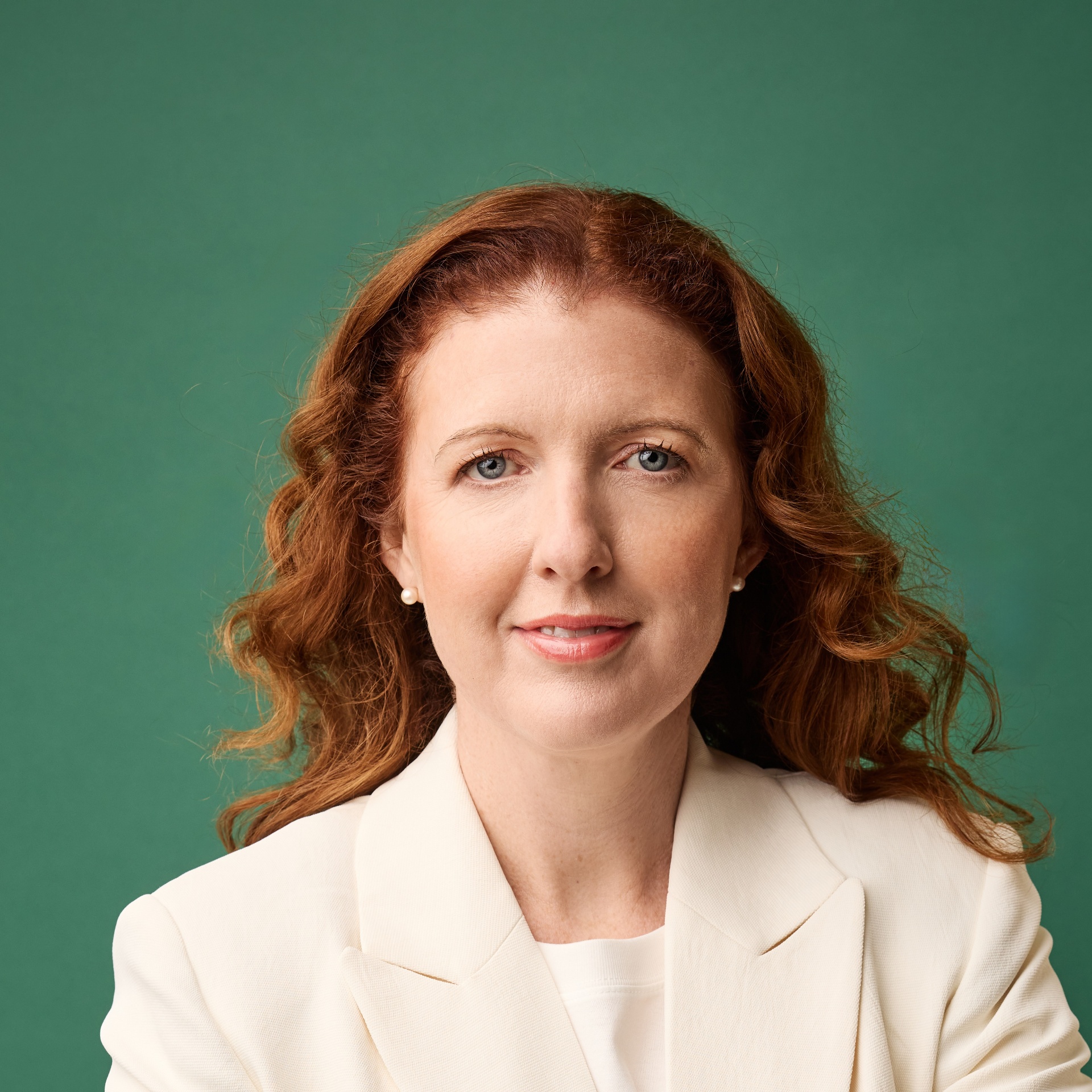
Clare Kitching
Clare Kitching is our AI and data expert. Utterly approachable, Clare makes the complex feel clear and easy. Previously at McKinsey and their AI arm, QuantumBlack, Wesfarmers and Treasury Wine Estates. Clare holds degrees in Maths and Electrical Engineering from the University of Melbourne and has a Masters in Mathematics from Cambridge University.
“Getting started is the hardest part”

Vivienne Groves
Vivienne Groves is our people and organisations pro. An economist with a big heart, she hates waste, cares about incentives and refuses to use fluffy language that isn't clear. Also at McKinsey and Wesfarmers, Viv worked at SEEK and PwC/Strategy& too. Viv has degrees in Maths and Economics from Melbourne University and a PhD in Personnel Economics from Stanford GSB.
“You need people to get value from AI, not just technology”